


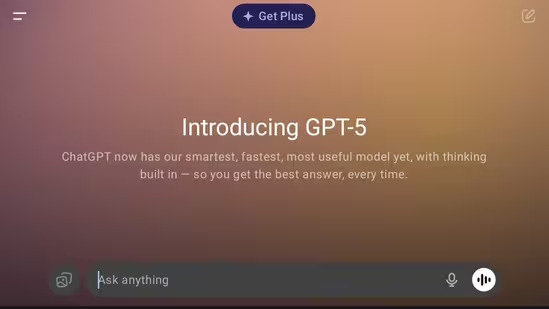
OpenAI has officially pulled the curtain back on GPT-5, calling it its “most intelligent, fastest, and most useful model yet.” That’s a bold claim considering GPT-4o was already doing everything from solving math problems to writing Shakespearean pizza reviews. But this time, GPT-5 doesn’t just respond—it thinks. Built-in reasoning means the AI now knows when to pause and work through a tricky problem, much like a human… except without the coffee breaks or existential crises.
Sam Altman, OpenAI’s CEO, compared the upgrade to “going from chatting with a bright college student to having a conversation with a PhD-level expert.” Although, to be fair, GPT-5 still won’t help you move house on the weekend—some boundaries remain.
Numbers That Speak for Themselves
In terms of performance, GPT-5 isn’t just flexing—it’s putting up championship-level stats:
- 94.6% score in the AIME (American Invitational Mathematics Examination) without external tools—basically the AI equivalent of acing a math olympiad without even using a calculator.
- 45% fewer “hallucinations” than GPT-4o—because apparently even AI daydreams less when it’s focused.
- 80% fewer hallucinations in “Thinking” mode—almost enough to make it pass for your overly cautious friend who checks Wikipedia sources twice.
- Significantly higher results in HealthBench, giving medical students yet another reason to be slightly nervous about their future job market.
Communication: Less Flattery, More Honesty
One of the most noticeable changes in GPT-5 is its tone. Gone is the excessive “you’re absolutely right” flattery that made conversations feel like you were chatting with the world’s most supportive sidekick. Instead, GPT-5 is more willing to say, “I don’t know,” when it’s unsure—which is refreshing, if a bit humbling. It’s like the friend who finally tells you your haircut might have been a bad idea, but says it in the nicest possible way.
Who Gets GPT-5?
The rollout covers everyone—Free, Plus, Pro, Team, Enterprise, and Education users. The catch? Pro users get access to GPT-5 Pro, which is like the regular model but on steroids (figuratively, of course—AI doesn’t do drugs). This version offers the deepest reasoning and highest benchmark performance. If you push it too hard and hit usage caps, the system politely hands you over to a “mini” version so you can keep going without hitting a wall.
Mixed Reviews: Praise, Criticism, and Mild Panic
Tech outlets like Wired, Reuters, and The Verge have sung GPT-5’s praises, calling it a leap forward for AI. Many users love its speed, improved accuracy, and its knack for blending text, images, and reasoning in a seamless way.
However, over on Reddit, things have been… let’s say spicier. Some users complain GPT-5 feels less “creative” than GPT-4o, while others mourn the “loss of personality” and accuse the new model of being “too robotic.” One particularly dramatic commenter claimed they “cried actual tears” over the change—proof that people can get emotionally attached to chatbots.
The backlash has been strong enough that Sam Altman is openly considering bringing GPT-4o back alongside GPT-5, kind of like how Coke had to keep Classic Coke after launching New Coke.

Whether you’re here for the stats, the speed, or the sass, GPT-5 represents a major step forward in practical AI. It’s sharper, more honest, and capable of solving problems faster than ever—though it still can’t fold your laundry or remember your birthday.
In short: GPT-5 may not be the robot overlord sci-fi movies warned us about, but it’s definitely the smartest, most capable assistant you’ve ever had in your browser. And judging by how people are reacting online, it’s also the most likely to spark both a productivity boom and a few heated internet debates.






Leave a Reply