

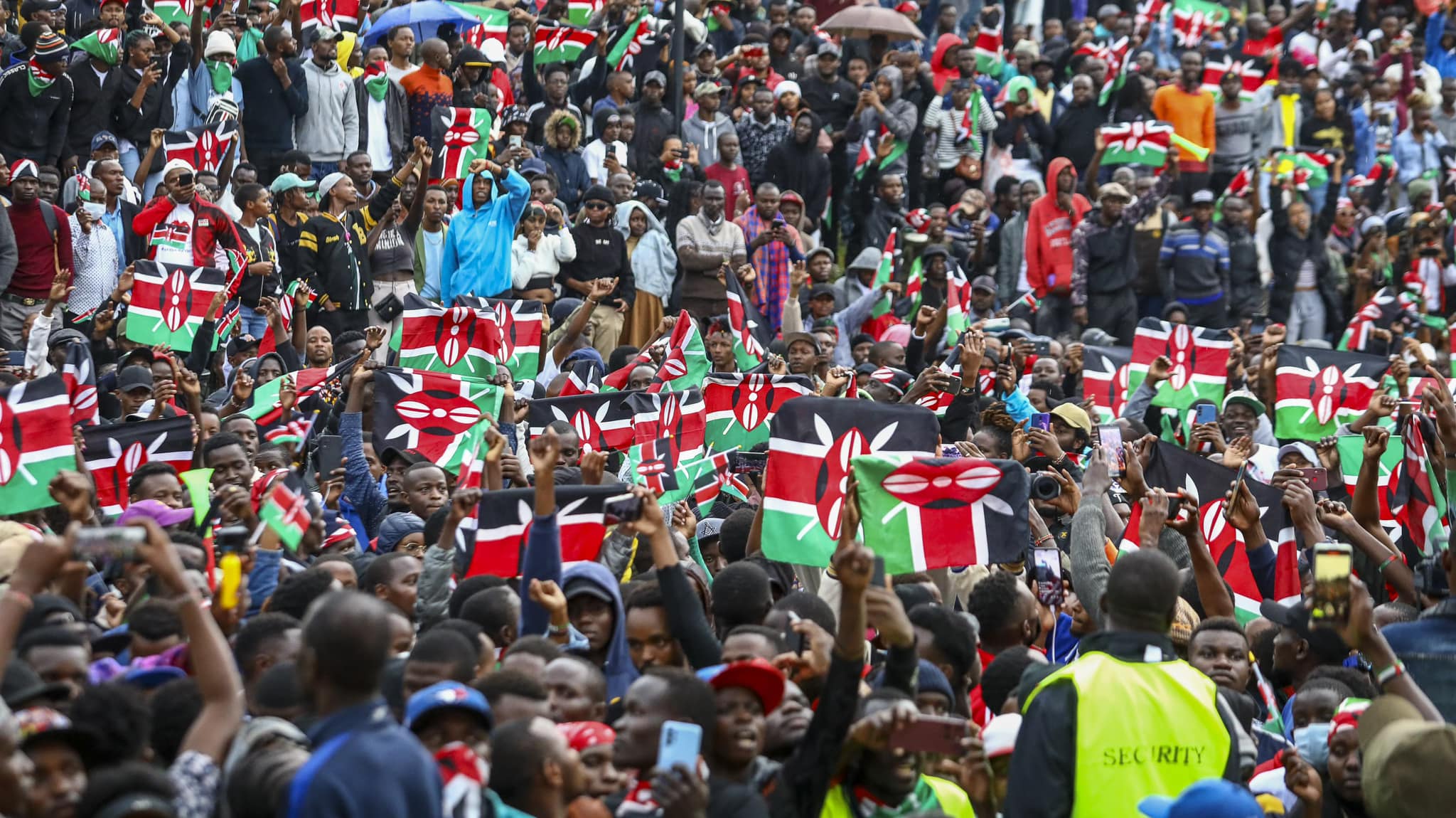
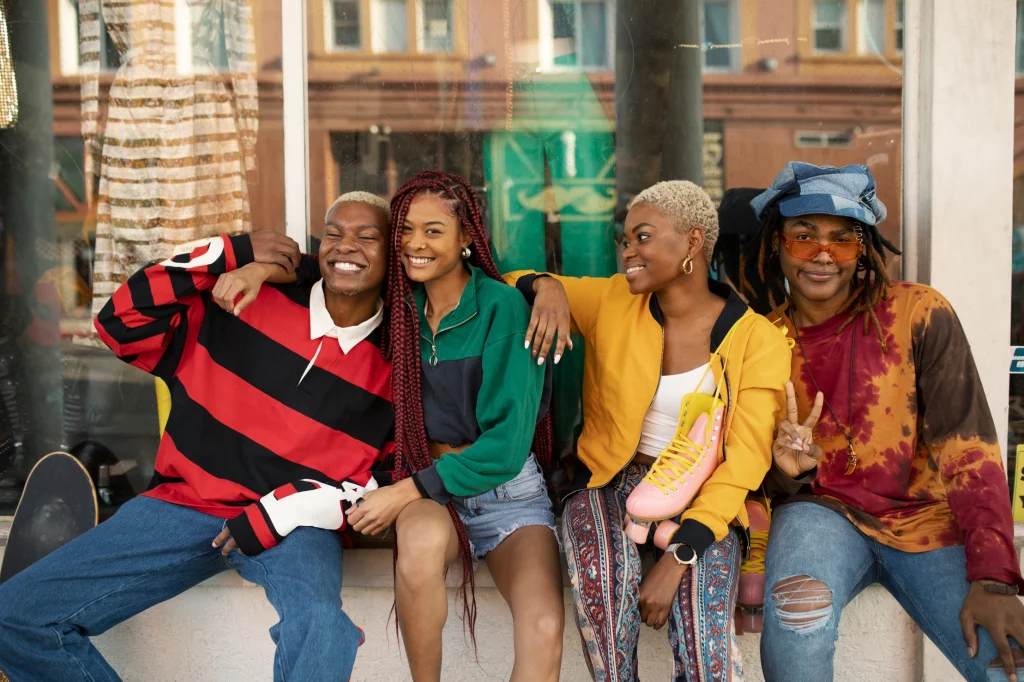
In a refreshing and powerful shift, Millennials and Gen Zs in many African countries are tearing down the walls of tribalism and classism that have historically shaped political engagement. The new generation is showing a level of unity and openness that was once thought impossible. They are proving that political and social conversations do not have to be dictated by where you come from, what tribe you belong to, or how much money you have in your pocket.
From Division to Collective Engagement
For decades, political participation in many African nations was deeply tied to ethnic identity and social status. Voting patterns, party loyalty, and even public debates were often influenced by who was speaking rather than what was being said. Now, Millennials and Gen Zs are actively dismantling this old model. They are engaging in political discussions without fear of judgment from older generations and without the pressure of inherited tribal loyalties.

Politics Beyond Tribe and Class
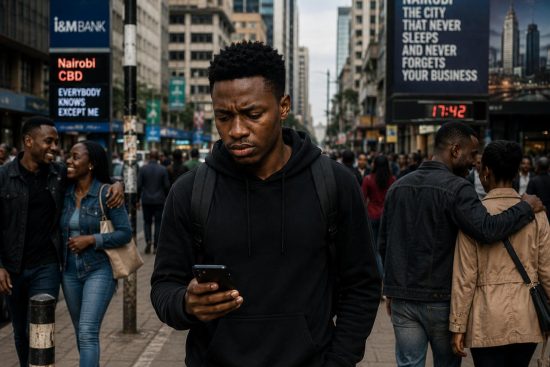
Social media platforms, community forums, and street conversations have become spaces where ideas matter more than names or backgrounds. It is no longer about what part of the country you are from or whether you grew up in a wealthy neighborhood or a modest one. The focus is now on policies, accountability, and a vision for the future.
No Need for Preaching Unity
Interestingly, this new wave of unity does not require long speeches about peace or togetherness. The lived experience of these generations is already the proof. They are naturally blending cultures, collaborating across borders, and valuing mutual respect without being told to do so. When disagreements arise, they are seen not as signs of division but as house maintenance activities and necessary adjustments that keep the collective home in order.
The Best Form of Unity Yet
This emerging unity is perhaps the strongest and most genuine that has ever been witnessed in the political and civic landscape. It is not driven by fear or obligation but by choice. People are choosing to stand together, question the system, and demand better governance regardless of their ethnic or economic background.
A Model for Future Generations
If this spirit continues, future generations will grow up seeing unity as the norm, not the exception. This could redefine the political identity of entire nations and pave the way for more inclusive and progressive governance.




Leave a Reply